Skip to content

Salvinia in your lake or hazard: what to do

Salvinia can turn a clear lake or water hazard into a green mat in one warm season, and it regrows from any fragment left behind. Here is how to spot it early and clear it without draining.

Written for golf course superintendents and estate managers

What salvinia looks like

Salvinia is a floating fern. Young plants have small, flat, oval leaves on the water. As it crowds together, the leaves fold upwards and form a thick mat that can cover the surface.

Why it spreads so fast

In ideal conditions, salvinia can double in under three days. Small fragments break off and start new plants.

Why it matters on a course or estate
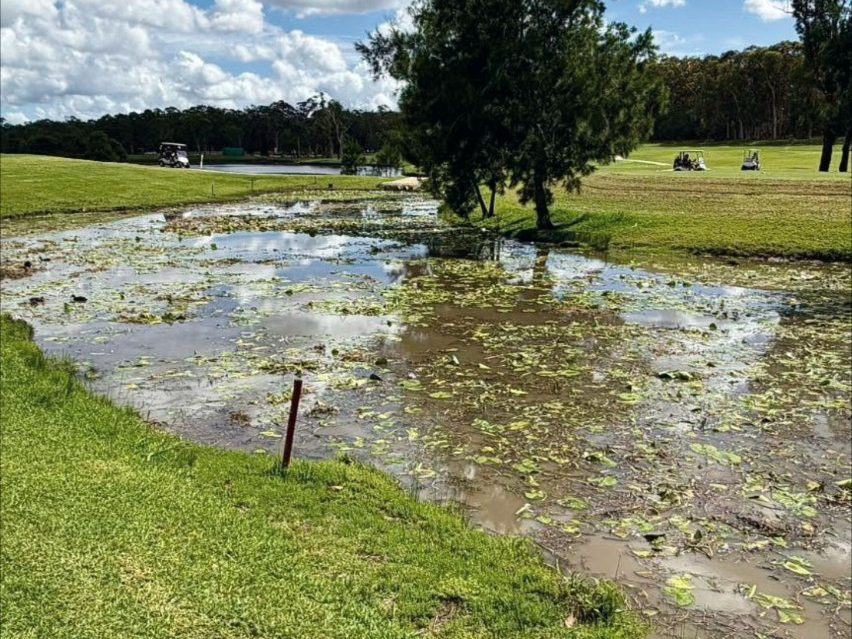
A Central Coast golf course lake before clearing.
  • Covered hazards and lakes look neglected, and members and guests notice.
  • Rotting mats can cause smells around clubhouses, paths and homes.
  • The mat blocks light and uses up oxygen as it rots, which can kill fish.
  • Mats block pumps, pipes and outlets.

Your options

Mechanical removal. The weed is cut, gathered and lifted out, so it cannot rot in place. NSW DPI advises removing all plant parts, because fragments regrow. See salvinia and aquatic weed removal.
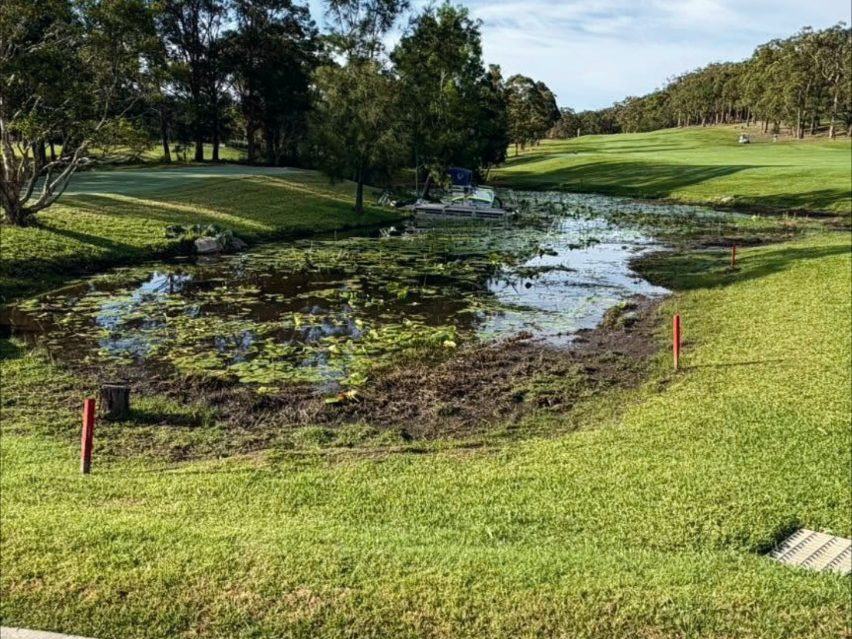
On this golf course lake, the Truxor cut and gathered the mat and walked it straight out onto the bank, with no draining.

Biological control. The salvinia weevil is used by some land managers. It can work over time in the right conditions, but it is slow.

Targeted spraying. Spraying a full mat uses a lot of chemical and leaves dead weed to rot in the water. Used on the scattered remnants left after harvesting, it finishes the job with far less chemical.

At Kooindah Waters, salvinia had grown for years, thick enough that golf balls sat on top of it. The program there combines scheduled harvesting with targeted spraying of what is left.

Keeping it from coming back

An established infestation is not fixed in one visit. Scheduled harvesting removes the bulk. Once what is left is too scattered to harvest efficiently, targeted spraying finishes it. Then a check before each warm season stops it taking hold again.
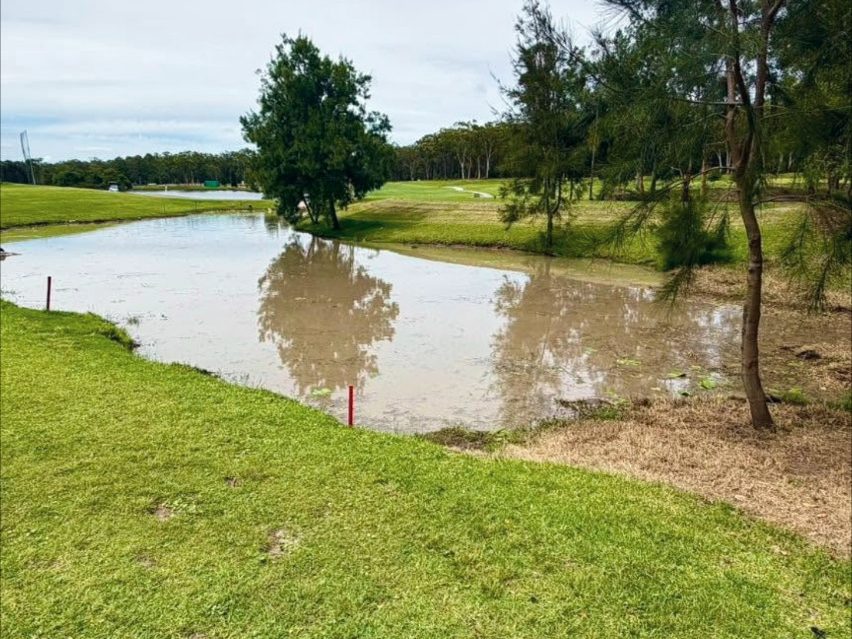

After: the same golf course lake with open water, banks and turf intact
Before: salvinia and lilies across the lake surface
BeforeAfter

Common questions

Can you remove salvinia?

Yes. The Truxor cuts and gathers the mat and walks it out onto the bank. Established infestations need a staged program: scheduled harvesting to remove the bulk, then targeted spraying once what is left is too scattered to harvest efficiently.

Isn’t mechanical removal only for small infestations?

Hand removal is. The Truxor cuts, gathers and lifts whole mats out onto the bank, so it suits lakes and dams where hand removal does not. If another method suits your site better, we will tell you.

Do you use herbicide?

Only as a final, targeted step. The bulk of the weed is cut and lifted out mechanically, which keeps chemical use to a minimum and stops dead weed rotting in the water. On established infestations, once what is left is too scattered to harvest efficiently, it is finished with targeted spraying, using far less chemical than treating the full mat.

Salvinia on your lake or hazard? We will inspect it for free and put a removal plan in writing, including a follow-up visit.

Book a free site visit.

Tell us where the water body is and what is happening. We will arrange a visit and follow up with a written quote.

0411 824 790

admin@sedsolve.com.au
We come to you, from Northern Sydney and the Central Coast up to Forster, and Newcastle to Scone.

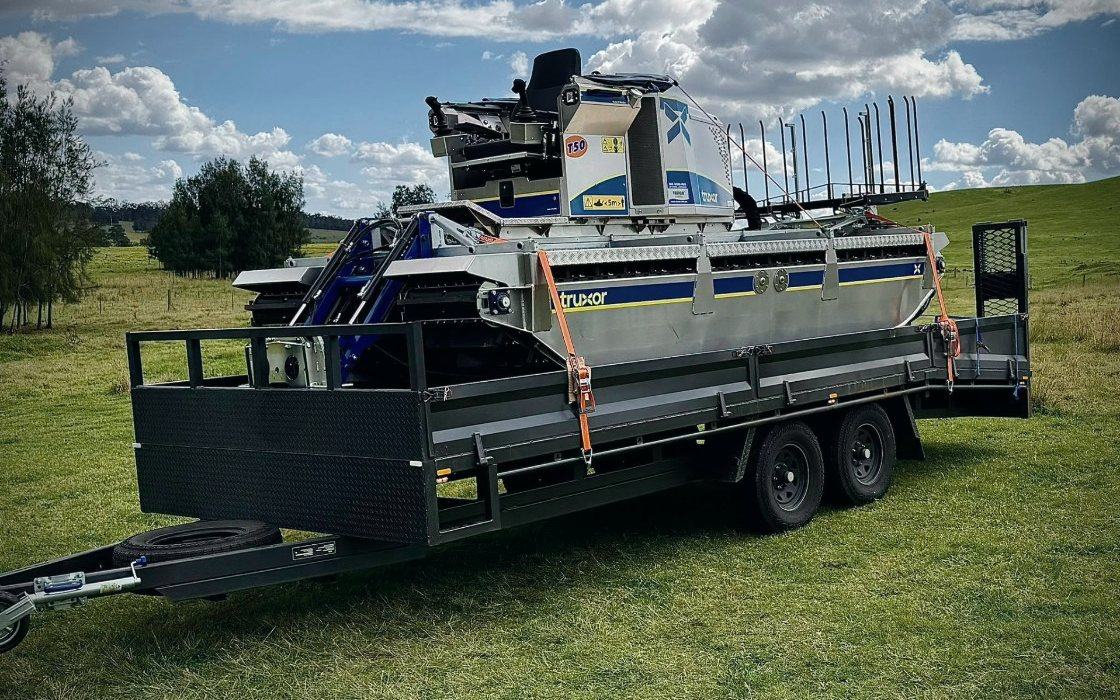
The Truxor T50 strapped onto its trailer in a paddock

The Truxor T50 on its trailer.

Request a site visit

Free, with a written quote. No obligation.